Trauma isn't only about what happened. It's about how it stays with you: in your body, your reactions, and how safe the world feels.
Some people know exactly what they're struggling with. Others only notice that they react strongly to certain things, or feel on guard without knowing why. It might be one big event, or something quieter that went on for a long time, such as a difficult childhood. Either way, you're welcome here.
How trauma can show up
- Flashbacks, nightmares or memories that intrude when you don't want them
- Feeling jumpy, on edge, or constantly alert to danger
- Feeling numb or disconnected from yourself or others
- Avoiding people, places or situations that remind you of what happened
- Shame, guilt or a sense that something is wrong with you
What trauma-informed counselling means
Working in a trauma-informed way means safety and choice come first. You're in control of what we talk about and how fast we go. We'll focus on helping you feel steadier before going anywhere near difficult memories, and only if and when you want to.
Counselling can help you understand your reactions as ways your mind and body tried to protect you, and gradually find more choice in how you respond.
A private room in Battle
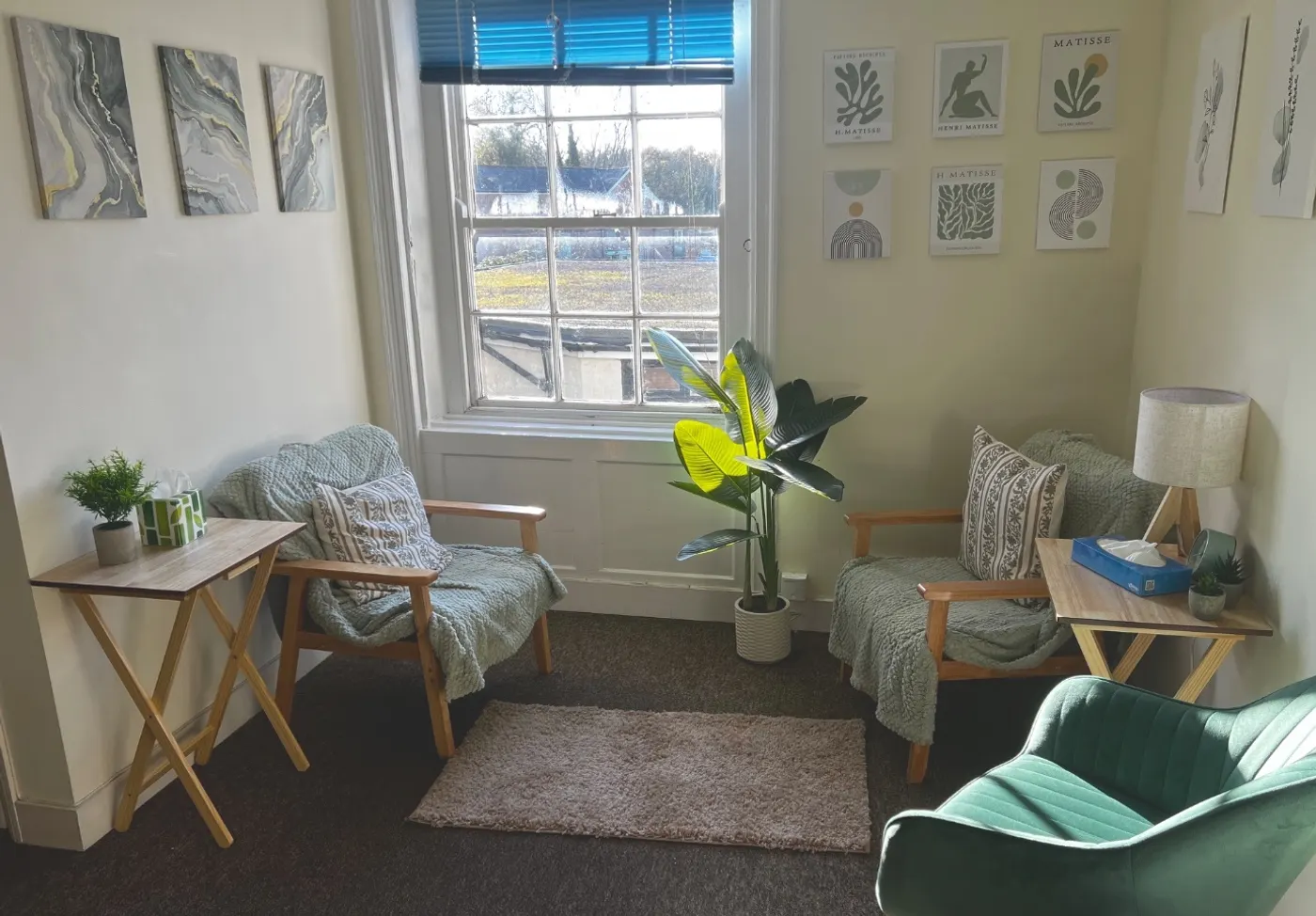
I see clients face to face on Monday evenings at Rooftops Therapy & Wellbeing Rooms, Suite 1, 17 High Street, Battle. A private room away from home can feel safer, especially if home isn't where you feel most at ease. Battle station is about a 14-minute walk away, and there's free parking at Mount Street Car Park nearby. Read more about the therapy room and getting there.
For some people, being in their own space feels safer. If that's you, online counselling works in the same trauma-informed way.
How we'd work together
I'm Jake, an accredited psychotherapeutic counsellor (MNCPS Acc.). Before training as a counsellor, I spent over ten years working in healthcare, including five years in NHS mental health services. I worked alongside people facing homelessness, domestic violence, addiction and many other barriers to getting support.
I work integratively, drawing on different approaches to suit you, within the NCPS Code of Ethics and with regular clinical supervision. We start with a free 20-minute introductory call by video or phone, so you can ask questions and see if I feel like the right person for you.
Common questions
Do I have to talk about what happened?
No. You never have to share more than you want to. Many people find it helps to focus first on feeling safer and more settled in the present.
What does trauma-informed mean?
It means I understand how trauma can affect people, and work in a way that puts your safety, choice and control first. You set the pace, and we check in regularly about how it feels.
Is counselling right for PTSD?
It can be. If I think a specialist trauma therapy, such as EMDR or trauma-focused CBT, would suit you better, I'll talk that through with you honestly and help you find it.
Can I have trauma-informed counselling online?
Yes. If coming to a room in Battle doesn't feel right, we can work online by secure video, in the same way and at your pace.
Other ways I can help
- Anxiety counselling in Battle
- Online counselling for anxiety
- Counselling for low mood and depression
- Counselling for relationship difficulties
- Counselling for identity and life transitions
- Counselling for grief and loss
- Counselling for men
- LGBTQ+ affirming counselling
- Online counselling across East Sussex and the UK
- Face-to-face counselling in Battle